Blog

Why Aftermarket Parts Might Be Costing You More at the Service Bay

used cars for sale

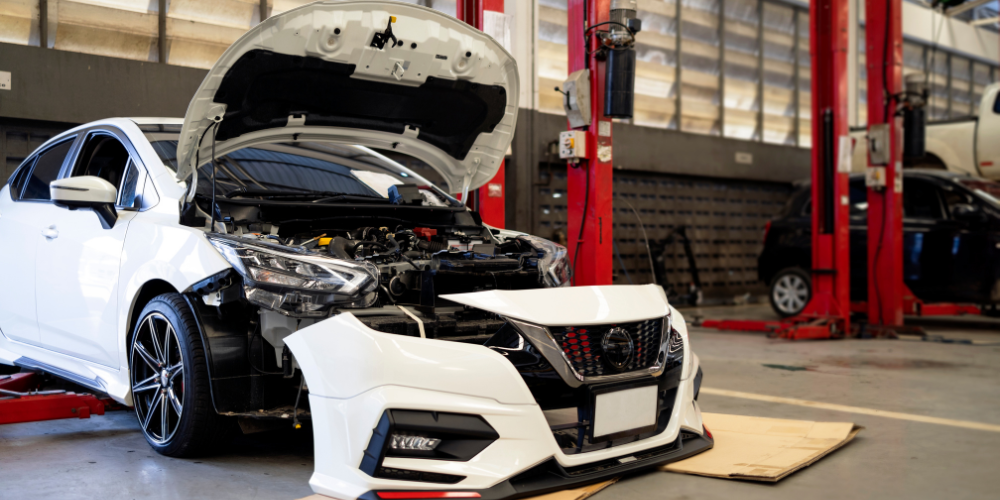
Everyone loves a deal, until it backfires at the service bay. Aftermarket parts might seem like a smart way to save money, especially when you are trying to keep your vehicle running on a budget. But cheaper is not always better.

Aftermarket parts are made by companies other than your vehicle’s original manufacturer. While they may cost less up front, they can lead to more repairs, poor performance, and even safety issues later on.

Whether you are maintaining a new ride or exploring used cars for sale, it is essential to understand how your part choices affect your long-term costs. In this blog, we will break down the real price of aftermarket parts and why they might be costing you more than you think.

OEM vs. Aftermarket: What’s the Difference?

When it comes to fixing your car, not all parts are created equal. OEM (Original Equipment Manufacturer) parts are made by the same company that built your vehicle. They are designed to fit your specific make and model perfectly. These parts are known for their high quality, reliable performance, and they usually come with a warranty.

On the other hand, aftermarket parts are made by third-party companies. They are cheaper and easier to find, but often vary in design, quality, and fit. As a result, you can experience more motor repairs or damage to your vehicle down the road. They also do not come with strong warranty support.

In San Benito, where drivers are always looking for smart ways to maintain their used cars for sale, it is essential to know what you are getting under the hood.

Hidden Costs of Aftermarket Parts

Behind the lower price tag of aftermarket parts, there are hidden costs that can end up hurting your wallet, as well as used cars for sale in San Benito.

  • Quality and Reliability

Aftermarket parts are often made with cheaper materials and do not go through the same testing as OEM parts. They may not fit your vehicle properly, which can lead to more repairs or even damage to other parts. These parts wear out fast, too. This means you will have to replace them more often.

  • Installation and Labor Costs

Because these parts may not fit just right, mechanics might need more time to make them work. That means extra labor costs. And if the part fails or does not work, it leads to another trip to the repair shop.

  • Warranty Issue

If your vehicle is still under warranty, using aftermarket parts could void your coverage. Therefore, if something goes wrong, you might be stuck paying for repairs yourself.

How Do Aftermarket Parts Affect Vehicle Resale?

Aftermarket parts can either help or hurt your vehicle’s resale value. It really depends on the type of part, how well it was installed, and what buyers think of it. In most cases, aftermarket parts lower a car’s value, especially if they are cheap or poorly installed.

Buyers looking for used cars for sale in San Benito often want reliability. If they see custom wheels, loud exhausts, or engine modifications, they might worry about how the car was driven or maintained. Mods that are hard to reverse can also scare buyers off, since they will have to spend more money to change things back.

Even performance upgrades can be a turnoff if they only appeal to a small group of car lovers. The more specific the customization, the smaller your pool of interested buyers. If resale value matters to you, sticking with OEM parts is usually the safer choice.

When Are Aftermarket Parts Okay?

Not all aftermarket parts are bad. In some cases, they can be a smart choice. For example, using aftermarket parts for non-critical items like floor mats, wiper blades, or light bulbs is usually fine. These parts do not affect how your car runs and can save you some money.

Also, some aftermarket brands are known for good quality. If you stick with trusted names, you can avoid many common issues.

Lastly, if your car is older or out of warranty, like many used cars for sale, aftermarket parts might make more sense budget-wise without major risks.

Conclusion

Cheaper is not always smarter when it comes to car parts. While saving now may seem like a win, long-term costs tied to safety, repairs, and resale value can add up fast. Whether you are driving a new car or used cars for sale in San Benito, trust Boswell Elliff Ford’s service center for reliable maintenance with genuine OEM parts.

Recommended Posts

Ford Bronco Towing and Cargo Guide

Ford Bronco Towing and Cargo Guide: Preparing for Your Next Adventure

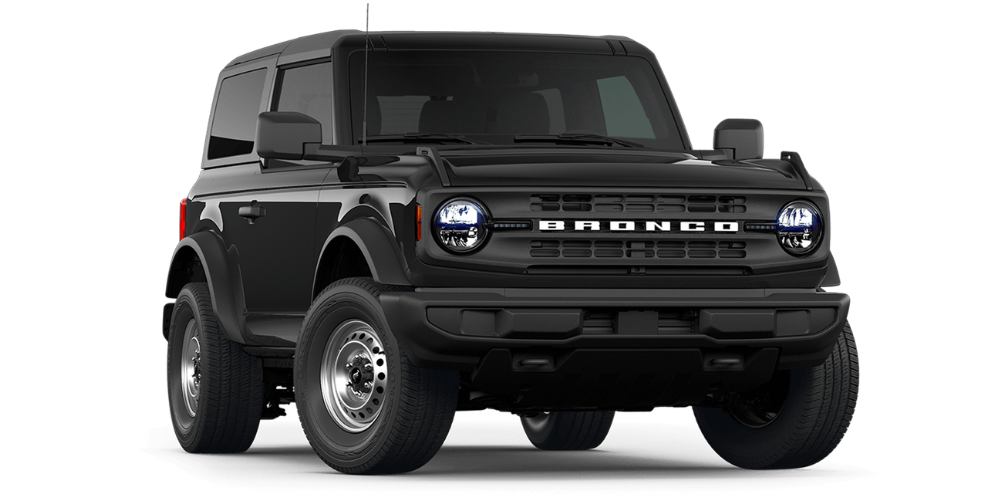
The Ford Bronco is designed for drivers who carry more than groceries and work bags. Its rugged construction, available four-wheel-drive technology, and flexible cargo area make it a strong companion for camping trips, cycling weekends, lake visits, and off-road travel. Still, owning an adventure-ready SUV does not mean every trailer or piece of equipment can be loaded without careful planning. Towing capacity, payload, tongue weight, passenger weight, and cargo dimensions all affect what a Bronco can safely handle. Before attaching a camper, loading several bikes, or packing for a family trip, owners should understand how these limits work together. How Much Can a Ford Bronco Tow? Most 2026 Ford Bronco models have a maximum conventional towing capacity of 3,500 pounds when properly equipped. The high-performance Bronco Raptor increases the maximum to 4,500 pounds. Ford also lists maximum tongue-load figures of 350 pounds for the standard Bronco and 450 pounds for the Bronco Raptor. These ratings can make the Bronco suitable for equipment such as: Small utility trailers Lightweight pop-up campers Personal watercraft trailers Small fishing boats Motorcycle or ATV trailers Dedicated bicycle trailers However, a maximum towing rating is not a guarantee that every trailer below that number is appropriate. The vehicle’s engine, axle ratio, optional equipment, tire configuration, cargo load, and number of passengers can affect its actual capability. The safest approach is to check the specific Bronco’s certification labels, owner’s manual, towing guide, and installed equipment rather than relying only on a general model rating. Understand Loaded Trailer Weight Trailer manufacturers often advertise dry weight or unloaded vehicle weight. That figure does not include everything added before a trip. A camper that weighs 2,700 pounds when empty may become considerably heavier after adding water, propane, food, bedding, cookware, batteries, bicycles, and other supplies. A utility trailer also gains weight once it is loaded with an ATV, coolers, fuel containers, tools, or camping equipment. Owners should compare the Bronco’s towing limit with the trailer’s fully loaded weight, not its empty weight. When possible, use a public vehicle scale to confirm the weight of the loaded vehicle and trailer. Estimating each item can be helpful during planning, but a certified scale provides a clearer picture before a long trip. It is also wise to leave a reasonable safety margin instead of planning a load that reaches the maximum rating exactly. Hills, high temperatures, strong winds, rough roads, and sudden braking can place additional demands on the Bronco. Tongue Weight Matters Tongue weight is the downward force the trailer places on the hitch. It plays an important role in trailer stability. Ford’s 2026 towing information lists a maximum tongue load of 350 pounds for most Bronco models and 450 pounds for the Bronco Raptor. For conventional trailers over 2,000 pounds, Ford generally advises that tongue load equal approximately 10% of the loaded trailer weight. For example, a loaded 3,000-pound trailer may place about 300 pounds on the hitch. That weight counts against the Bronco’s available payload. Too little tongue weight can cause a trailer to sway. Too much can overload the rear axle, reduce steering control, change braking performance, and exceed the vehicle’s payload limit. Cargo should be distributed carefully inside the trailer, with heavier items placed low and secured against movement. Owners should never try to reduce tongue weight by placing most of the trailer’s cargo behind its axle. That can create an unstable setup even when the total trailer weight remains below the maximum rating. Towing Capacity and Payload Are Different Towing capacity describes how much loaded trailer weight the Bronco can pull. Payload describes how much weight the vehicle itself can carry. Payload includes: The driver and passengers Cargo inside the cabin Equipment in the rear cargo area Roof-mounted accessories and gear Aftermarket accessories Trailer tongue weight This means passengers and cargo can reduce the amount of capacity available for supporting a trailer. Consider a Bronco carrying four adults, a large cooler, recovery equipment, luggage, and a roof rack. Once the trailer’s tongue weight is added, the SUV could approach its payload limit even though the trailer itself remains below 3,500 pounds. The payload rating for an individual Bronco can be found on the Tire and Loading Information label inside the driver’s door area. Because trims and options affect vehicle weight, shoppers should check the label on the exact Bronco they plan to purchase or drive. Choosing the Right Towing Equipment A proper towing setup involves more than installing a hitch ball. The hitch receiver, ball mount, hitch ball, safety chains, electrical connector, and trailer wiring must all be rated for the intended load. The hitch ball must also match the size required by the trailer coupler. Trailers over a certain weight may need their own braking system. Ford’s Bronco towing guide includes additional requirements and considerations for trailers weighing more than 2,000 pounds. Owners must also follow state laws concerning trailer brakes, lighting, registration, mirrors, and safety equipment. Before leaving, confirm that: The coupler is fully secured The safety chains cross beneath the trailer tongue The electrical connection works Brake lights and turn signals operate correctly Tires are properly inflated Cargo cannot shift The trailer jack is fully raised The breakaway cable is attached correctly when required Drivers who are new to towing should practice turning, reversing, and braking in a quiet open area before entering traffic. Ford Bronco Cargo Space The four-door Bronco is usually the better choice for shoppers who regularly carry substantial adventure equipment. Depending on roof configuration, it provides roughly 35.6 cubic feet of cargo space behind the rear seats and up to approximately 77.6 cubic feet with the rear seating area folded. Soft-top and hardtop configurations can have slightly different cargo measurements. The two-door Bronco provides less room because of its shorter body, although folding the rear seats can still create space for carefully organized equipment. Cubic-foot measurements are useful for comparison, but they do not tell the entire story. The height and width of the cargo opening, interior wheel wells, seat-folding arrangement, and shape of the equipment also matter. Before purchasing storage bins, coolers, or other large items, measure: Cargo-floor length Width between the wheel wells Rear opening width Opening height Available height below the roof Space remaining when passengers use the rear seats A long bicycle, for example, may not fit simply because the listed cargo volume appears sufficient. Removing the front wheel, lowering the seat, or using an exterior rack may be necessary. Carrying Bikes with a Bronco Cyclists have several ways to transport bikes with a Ford Bronco. A hitch-mounted bike rack is often the most convenient solution. It can keep muddy bikes outside the cabin and may be easier to load than a roof rack. Owners should include the combined weight of the rack and bikes when calculating hitch load and payload. A swing-away rack can improve access to the Bronco’s rear cargo area, but compatibility with the spare tire and rear door must be checked carefully. Some racks may interfere with the tailgate, backup camera, or parking sensors. Roof-mounted bike carriers keep the hitch available for a trailer, but lifting bikes onto a tall Bronco may be difficult. Roof equipment also affects total vehicle height, wind resistance, and available roof-load capacity. Carrying bikes inside the Bronco protects them from weather and road debris. However, owners should secure them so they cannot move during sudden stops. Removing wheels and using protective cargo liners can make interior transport easier. Packing Camping and Outdoor Equipment Camping equipment can add weight quickly. A tent, sleeping bags, camp chairs, stove, food, water, recovery equipment, and several storage bins may seem light individually, but the combined load can be substantial. Place heavier items low and close to the center of the vehicle. This helps preserve handling and reduces the chance of cargo becoming dangerous during a sharp turn or emergency stop. Items such as coolers, toolboxes, and portable power stations should be secured with straps or cargo restraints. Loose objects can become projectiles during a collision. Frequently used items should remain accessible. Rain gear, first-aid supplies, flashlights, recovery straps, and tire equipment should not be buried underneath the entire load. Owners should also keep rear visibility in mind. Packing equipment to the roof may block the rear window and make it harder to monitor traffic or a trailer. Using a Roof Rack or Cargo Carrier A roof rack can free interior space for passengers, but the added load must remain within Ford’s limits for the specific roof and rack configuration. Roof capacity can vary depending on whether the vehicle is parked or moving. Static capacity applies while the Bronco is stopped, such as when supporting an approved rooftop tent. Dynamic capacity applies while driving and is usually lower because the load affects handling. Every part of the system must be rated for the intended weight, including the factory mounting points, crossbars, cargo basket, rooftop tent, and mounting hardware. Roof-mounted cargo also raises the Bronco’s center of gravity. Drivers should take turns more slowly, allow more braking distance, and pay attention to clearance in garages, car washes, parking structures, and wooded trails. Preparing the Bronco Before a Towing Trip A basic inspection can prevent many roadside problems. Check tire pressure on both the Bronco and trailer while the tires are cold. Inspect the tread and look for cuts, cracks, bulges, or uneven wear. Trailer tires can age even when the trailer is used infrequently. Confirm that engine oil, coolant, brake fluid, and other vehicle fluids are at the proper levels. Test all trailer lights and verify that mirrors provide an adequate view alongside the trailer. Loading should be completed before the final tire-pressure and hitch checks. The Bronco may sit differently once passengers, equipment, and tongue weight are added. While driving, use moderate speeds and leave more space between the Bronco and the vehicle ahead. A loaded trailer requires greater stopping distance and can react strongly to crosswinds or passing trucks. Is the Ford Bronco Right for Your Gear? The Ford Bronco is well suited to light-to-moderate towing and a wide range of outdoor equipment. It can carry camping supplies, bikes, recovery gear, and luggage while towing many small campers, boats, and utility trailers. The four-door model is typically the more practical choice for shoppers who need maximum interior cargo flexibility. The two-door Bronco may appeal more to drivers who prioritize compact trail dimensions and do not regularly carry several passengers or large amounts of gear. Buyers with a heavy travel trailer, large boat, or tow-focused lifestyle may need a vehicle with a higher rating. The important step is to compare the Bronco’s specific towing and payload limits with the actual loaded weight of the trailer, passengers, accessories, and cargo. Explore the Ford Bronco at Boswell Elliff Ford A towing and cargo plan should begin before choosing a vehicle configuration. The team at Boswell Elliff Ford can help shoppers compare Bronco body styles, trims, engines, roof options, towing equipment, and cargo features. Bring details about the trailer or equipment you plan to carry, including loaded trailer weight, tongue weight, bike-rack weight, and major cargo dimensions. That information can make it easier to identify a Bronco that fits the way you travel. The Ford Bronco is a capable adventure SUV, but safe hauling depends on careful loading and respect for its limits. Checking trailer weight, payload, tongue weight, and cargo dimensions before every major trip helps ensure your equipment arrives as confidently as you do.

Ford Bronco vs. Bronco Sport Which SUV Fits Your Lifestyle

Ford Bronco vs. Bronco Sport: Which SUV Fits Your Lifestyle?

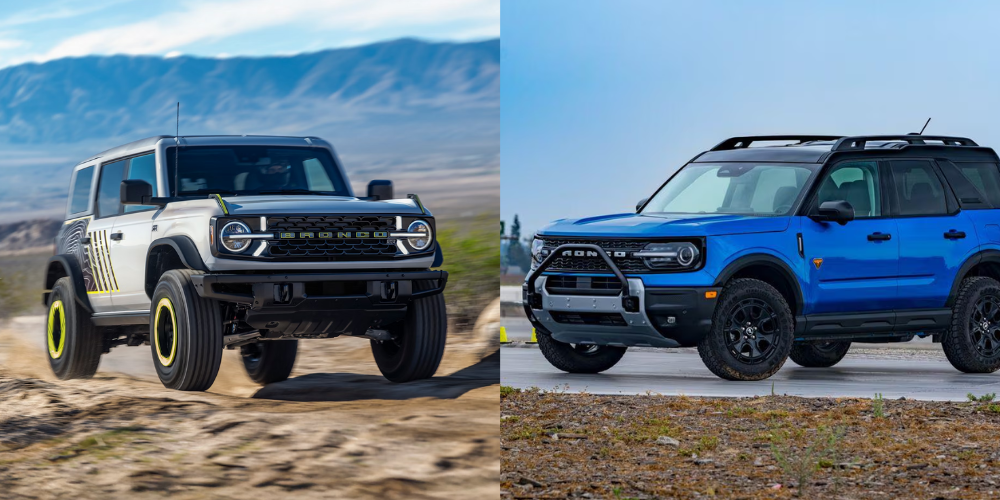
The Ford Bronco and Ford Bronco Sport share a recognizable name, rugged styling, and an adventure-ready attitude. However, they are designed for different types of drivers. The Bronco is a larger, more specialized off-road SUV built for demanding trails and open-air driving. The Bronco Sport is a compact SUV that combines outdoor capability with the comfort, efficiency, and maneuverability many drivers need during the week. Choosing between them depends on where you drive, how much space you need, and how serious you are about off-road travel. Comparing their size, capability, comfort, fuel economy, and everyday usability can help you find the better fit. Ford Bronco vs. Bronco Sport: What Is the Main Difference? The biggest difference is the way each SUV is built. The Ford Bronco uses a truck-style, body-on-frame platform designed to handle difficult terrain. It is available in two-door and four-door configurations and offers features such as removable doors, removable roof panels, advanced four-wheel-drive systems, and specialized off-road equipment. The Bronco Sport is a smaller, car-based compact SUV. It comes with four doors, seating for five, and standard four-wheel drive. While it is more capable away from pavement than many compact crossovers, it is primarily designed to remain comfortable and convenient during everyday driving. Ford equips every current Bronco Sport with four-wheel drive, while its available equipment and drive modes vary by trim. In simple terms, the Bronco places trail capability first. The Bronco Sport creates a more even balance between outdoor recreation and daily transportation. Size and Maneuverability Size is an important consideration, especially for drivers who regularly travel through traffic, use parking garages, or park in crowded shopping areas. The four-door Bronco is longer and wider than the Bronco Sport. For example, Ford lists the four-door Bronco Big Bend at 189.4 inches long, while the Bronco Sport is approximately 173 inches long, depending on its configuration. That difference is noticeable from behind the wheel. The Bronco’s larger body gives it a commanding road presence and creates room for passengers, equipment, and available off-road hardware. However, its width and overall footprint may require additional attention in narrow parking spaces or tight urban streets. The Bronco Sport feels more like a traditional compact SUV. It is easier to place within a lane, maneuver through a parking lot, and fit inside a garage. Drivers moving from a sedan or small crossover may also find the Bronco Sport easier to become comfortable with. For commuting, errands, and city driving, the Bronco Sport has the advantage. Drivers who prefer a larger vehicle and do not mind its added size may appreciate the Bronco’s substantial feel. Passenger Room and Cargo Space Both models seat up to five people, although the Bronco’s passenger capacity depends on the selected two-door or four-door body style. The four-door Bronco is generally the better Bronco configuration for families because it provides easier rear-seat access and more room for cargo than the two-door model. Its larger exterior dimensions can also be helpful when carrying camping gear, sports equipment, coolers, and other bulky items. The Bronco Sport uses its compact dimensions efficiently. Its upright roofline helps create useful passenger and cargo space without making the SUV unnecessarily large. The rear seats can be folded when additional cargo room is needed, and available washable or rubberized cargo surfaces can make cleanup easier after hiking, camping, or traveling with pets. The Bronco offers more of the spacious, rugged experience associated with a traditional adventure vehicle. The Bronco Sport offers practical storage in a package that remains easy to use every day. Off-Road Capability Drivers interested in serious off-road travel should give the Bronco close consideration. The Bronco is engineered for challenging trails, steep climbs, deep ruts, rocks, mud, and loose surfaces. Available equipment includes advanced four-wheel-drive systems, electronic locking differentials, trail-focused suspension systems, protective hardware, large all-terrain tires, and the available Sasquatch Package. Its body-on-frame construction also supports the durability and wheel articulation drivers may need on demanding terrain. Multiple trim levels allow shoppers to choose anything from an approachable adventure vehicle to a highly specialized off-road machine. The Bronco Sport remains capable, but its strengths are different. Standard four-wheel drive and selectable drive modes help it handle snow, rain, gravel roads, dirt trails, and changing surface conditions. Off-road-focused versions such as the Bronco Sport Badlands add stronger performance and specialized equipment for buyers who plan to travel farther beyond paved roads. Still, the Bronco Sport is not intended to match the full-size Bronco in extreme terrain. It is better suited to trailheads, campsites, unpaved access roads, winter conditions, and light-to-moderate recreational driving. Choose the Bronco when off-road performance is one of your highest priorities. Choose the Bronco Sport when you want added confidence away from pavement without owning a highly specialized trail vehicle. Comfort and Driving Experience The Bronco’s rugged engineering affects the way it drives. Its upright shape, substantial tires, off-road suspension, and removable body components create a more mechanical, adventure-oriented experience. Many Bronco owners consider that character part of its appeal. On the highway, the Bronco can still be comfortable, particularly in well-equipped four-door trims. However, shoppers should expect it to feel more like a purpose-built off-roader than a conventional crossover. The Bronco Sport is usually quieter, lighter, and easier to drive in ordinary conditions. Its compact dimensions and crossover construction help it feel composed on pavement. It is well suited to stop-and-go traffic, school drop-offs, highway trips, and routine errands. Interior technology also supports its daily-driver role. The 2026 Bronco Sport features a standard 13.2-inch center display and seating for up to five. Drivers who value refinement and simplicity will generally prefer the Bronco Sport. Those who want a more rugged driving personality may find the Bronco more rewarding. Fuel Economy Fuel economy is another area where the Bronco Sport usually has an advantage. Its smaller body and more compact engines allow it to use less fuel than the larger Bronco in comparable driving conditions. The 2026 Bronco Sport Big Bend with its 1.5-liter EcoBoost engine is rated at an EPA-estimated 25 mpg city, 30 mpg highway, and 27 mpg combined. Actual mileage varies according to driving conditions, maintenance, equipment, and driving habits. Bronco fuel economy varies by engine, transmission, body style, trim, tires, and off-road equipment. Larger tires and more powerful engine options can increase capability but may also increase fuel consumption. For drivers covering a high number of commuting miles, the Bronco Sport’s efficiency can make a meaningful difference. Shoppers who choose the Bronco are more likely to accept higher fuel use in exchange for greater power, capability, and customization. Open-Air Driving and Customization Few features separate these SUVs as clearly as the Bronco’s open-air design. Depending on its configuration, the Bronco allows owners to remove roof sections and doors. That gives it a distinctive experience during warm-weather drives and outdoor adventures. Its broad selection of factory options and accessories also gives drivers many ways to personalize its appearance and capability. The Bronco Sport has a fixed roof and conventional doors. It still offers rugged design details and useful accessories, but it does not provide the same open-air experience. For some buyers, removable body panels are a major reason to select the Bronco. For others, a fixed roof, easier entry, and simpler daily operation make the Bronco Sport more practical. Which Ford SUV Is Better for Families? The answer depends on the family’s routine. The Bronco Sport is often the more balanced choice for families that need a vehicle for school runs, grocery trips, sports practices, road trips, and winter weather. Its four-door layout, manageable size, and stronger fuel economy make it easy to use throughout the week. A four-door Bronco can also serve as a family vehicle, particularly for households that camp, explore trails, tow recreational equipment, or spend considerable time outdoors. Families should consider whether they will regularly use its added capability enough to justify its larger dimensions and fuel needs. Parents may also want to test rear-seat access, car-seat installation, cargo loading height, and visibility in both vehicles before deciding. Which One Should You Choose? Choose the Ford Bronco when you want: More serious off-road capability A choice between two-door and four-door configurations Removable doors and roof panels A larger and more commanding SUV Extensive off-road equipment and customization A vehicle centered on weekend recreation Choose the Ford Bronco Sport when you want: Easier parking and maneuverability Better fuel economy Comfortable everyday road manners Standard four-wheel drive in a compact package Practical space for passengers and cargo Enough capability for bad weather, dirt roads, and outdoor trips For most drivers whose schedules center on commuting, errands, school transportation, and occasional weekend travel, the Bronco Sport will be the more convenient choice. Drivers who regularly seek difficult terrain or want a distinctive open-air SUV will likely be happier with the Bronco. Compare the Bronco and Bronco Sport at Boswell Elliff Ford Specifications provide a useful starting point, but the differences between these SUVs become much clearer during a test drive. Sitting in each model can help you compare visibility, ride comfort, passenger space, cargo access, technology, and maneuverability. Visit Boswell Elliff Ford to explore available Ford Bronco and Bronco Sport models. The dealership team can help you compare trim levels, engine options, available packages, and features based on the way you plan to use your next SUV. The Bronco is the stronger choice for a rugged, trail-focused lifestyle. The Bronco Sport is the more practical fit for drivers who want Bronco-inspired style and useful all-weather capability in an easy-to-manage daily vehicle.

How to Get the Most Trade-In Value for Your Vehicle at a Ford Dealership?

How to Get the Most Trade-In Value for Your Vehicle at a Ford Dealership?

The automotive trade-in market has witnessed a dramatic shift in recent years. Due to wholesale volatility, the values dropped about 11% in late 2023 and continued going downward in 2024. However, trade-ins still sit well above pre-pandemic levels. This makes it a prime moment for sellers who know how to play their cards right. For Ford owners, especially, there’s an opportunity. Models like the F-150 consistently command strong resale performance thanks to their steady demand. Maximizing your trade-in value at a San Benito car dealership is about preparation, timing, and smart negotiation. Move further in the blog to learn how to do so in detail. What Ford Dealerships Look For During Appraisals? A San Benito car dealership assesses multiple factors during trade-in options: Vehicle Condition and Maintenance History Dealerships conduct comprehensive inspections, examining exterior conditions, interior wear, mechanical systems, and overall maintenance. Well-maintained and documented used cars in San Benito can command significantly higher offers. This is because these records show responsible ownership and reduce dealer concerns about hidden problems. Market Data and Pricing Tools A San Benito car dealership uses sophisticated valuation tools to establish baseline values. These systems analyze recent sales of comparable vehicles in your specific geographic area and ensure offers reflect current market conditions. Mileage and Age Considerations Lower-mileage used cars in San Benito typically receive better offers. However, the relationships are not always linear. Ford vehicles with consistent maintenance records can maintain strong trade-in values even with higher mileage. Documentation and History Clean title, accident-free history, and complete service records significantly impact valuations. Vehicles with detailed maintenance documentation can receive offers 10-15% higher than those without proper records. Strategic Preparation to Maximize Value Before visiting a car dealership in San Benito, gather multiple value estimates. This way, you will acquire negotiating leverage and identify unreasonable low offers. Keep track of professional detailing and minor repairs, like scratches, dents, or worn tires, before appraisal. These small investments often generate substantial returns in trade-in offers. Make sure to compile all service records, warranties, spare keys, and original documentation. Complete paperwork demonstrates meticulous ownership and can increase offers by several hundred dollars. Market seasonality also affects trade-in values. Spring and early summer usually offer the highest trade-in values, as dealerships stock inventory for peak selling seasons. Furthermore, tax refund season in early spring often creates increased demand, which boosts trade-in offers. How Trade-Ins Affect New Car Pricing? According to research, buyers who trade in vehicles pay an average of $990 more for their new car compared to those who don’t. This premium occurs because dealers can adjust both trade-in allowance and new car prices to maintain profit margins. Over-Under Allowance System A car dealership in San Benito often uses “over-under” allowance, which offers more for your trade-in while increasing the new vehicle price. This practice helps you focus on the total transaction value rather than individual components. Tax Advantages Trade-ins provide significant tax benefits, as you only pay sales tax on the difference between the new car price and trade-in value. This advantage can save hundreds or thousands of dollars and offset any potential premium in the transaction. Advanced Negotiation Strategies Obtain Multiple Offers Secure trade-in quotes from multiple dealerships before negotiating. This creates competitive pressure and provides leverage during discussions. Separate Trade-in from Purchase Negotiations Negotiate your trade-in value for used cars in San Benito independently. This approach prevents dealers from manipulating both numbers simultaneously and ensures you understand the true value of each component. Consider Market Conditions Current market conditions favor informed consumers, with 25% of recent trade-in customers receiving higher values than expected. Understanding local market dynamics and inventory needs gives you additional negotiating power. Use Ford’s Strong Resale Value d Ford vehicles, particularly the F-150 and Mustang, maintain strong resale values. The F-150 has shown 14.2% year-over-year growth in sales, which indicates strong demand that supports trade-in values. Bottom Line Maximizing trade-in value at a San Benito car dealership requires preparation, market knowledge, and strategic negotiation. When you understand evaluation criteria, time your trade-in appropriately, and present a well-maintained, documented vehicle, you can significantly increase your trade-in offer. If you are considering trading in used cars in San Benito, Boswell Eliff Ford can help you with it. Our team ensures you receive maximum value for your trade-in.