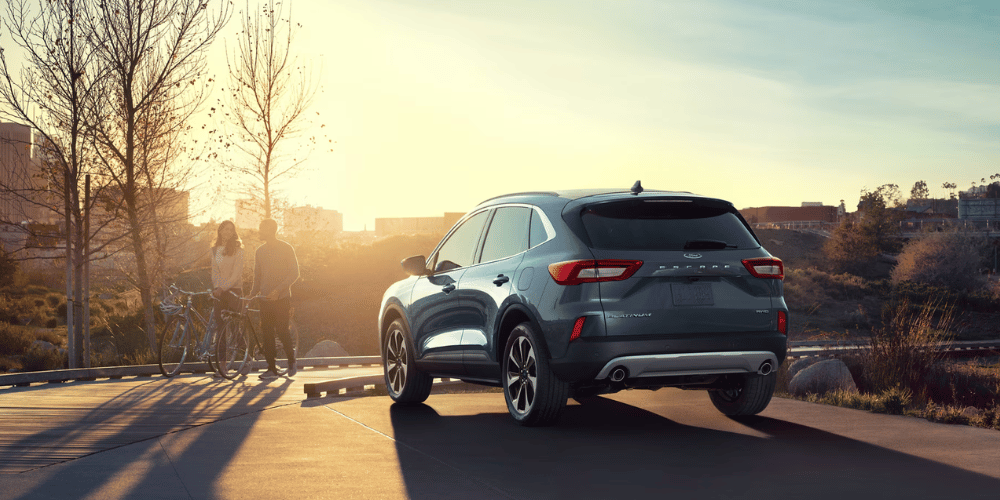

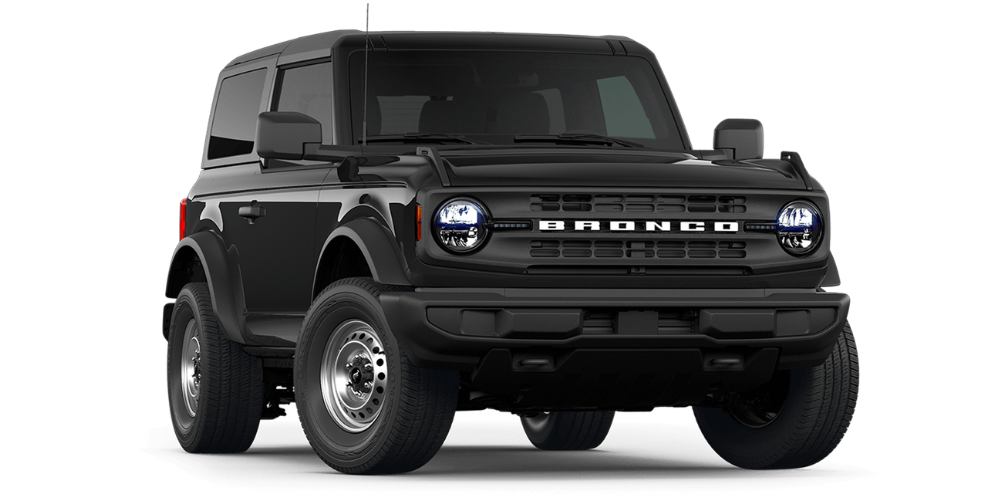
The Ford Bronco is designed for drivers who carry more than groceries and work bags. Its rugged construction, available four-wheel-drive technology, and flexible cargo area make it a strong companion for camping trips, cycling weekends, lake visits, and off-road travel.
Still, owning an adventure-ready SUV does not mean every trailer or piece of equipment can be loaded without careful planning. Towing capacity, payload, tongue weight, passenger weight, and cargo dimensions all affect what a Bronco can safely handle.
Before attaching a camper, loading several bikes, or packing for a family trip, owners should understand how these limits work together.
How Much Can a Ford Bronco Tow?
Most 2026 Ford Bronco models have a maximum conventional towing capacity of 3,500 pounds when properly equipped. The high-performance Bronco Raptor increases the maximum to 4,500 pounds. Ford also lists maximum tongue-load figures of 350 pounds for the standard Bronco and 450 pounds for the Bronco Raptor.
These ratings can make the Bronco suitable for equipment such as:
- Small utility trailers
- Lightweight pop-up campers
- Personal watercraft trailers
- Small fishing boats
- Motorcycle or ATV trailers
- Dedicated bicycle trailers
However, a maximum towing rating is not a guarantee that every trailer below that number is appropriate. The vehicle’s engine, axle ratio, optional equipment, tire configuration, cargo load, and number of passengers can affect its actual capability.
The safest approach is to check the specific Bronco’s certification labels, owner’s manual, towing guide, and installed equipment rather than relying only on a general model rating.
Understand Loaded Trailer Weight
Trailer manufacturers often advertise dry weight or unloaded vehicle weight. That figure does not include everything added before a trip.
A camper that weighs 2,700 pounds when empty may become considerably heavier after adding water, propane, food, bedding, cookware, batteries, bicycles, and other supplies. A utility trailer also gains weight once it is loaded with an ATV, coolers, fuel containers, tools, or camping equipment.
Owners should compare the Bronco’s towing limit with the trailer’s fully loaded weight, not its empty weight.
When possible, use a public vehicle scale to confirm the weight of the loaded vehicle and trailer. Estimating each item can be helpful during planning, but a certified scale provides a clearer picture before a long trip.
It is also wise to leave a reasonable safety margin instead of planning a load that reaches the maximum rating exactly. Hills, high temperatures, strong winds, rough roads, and sudden braking can place additional demands on the Bronco.
Tongue Weight Matters
Tongue weight is the downward force the trailer places on the hitch. It plays an important role in trailer stability.
Ford’s 2026 towing information lists a maximum tongue load of 350 pounds for most Bronco models and 450 pounds for the Bronco Raptor. For conventional trailers over 2,000 pounds, Ford generally advises that tongue load equal approximately 10% of the loaded trailer weight.
For example, a loaded 3,000-pound trailer may place about 300 pounds on the hitch. That weight counts against the Bronco’s available payload.
Too little tongue weight can cause a trailer to sway. Too much can overload the rear axle, reduce steering control, change braking performance, and exceed the vehicle’s payload limit. Cargo should be distributed carefully inside the trailer, with heavier items placed low and secured against movement.
Owners should never try to reduce tongue weight by placing most of the trailer’s cargo behind its axle. That can create an unstable setup even when the total trailer weight remains below the maximum rating.
Towing Capacity and Payload Are Different
Towing capacity describes how much loaded trailer weight the Bronco can pull. Payload describes how much weight the vehicle itself can carry.
Payload includes:
- The driver and passengers
- Cargo inside the cabin
- Equipment in the rear cargo area
- Roof-mounted accessories and gear
- Aftermarket accessories
- Trailer tongue weight
This means passengers and cargo can reduce the amount of capacity available for supporting a trailer.
Consider a Bronco carrying four adults, a large cooler, recovery equipment, luggage, and a roof rack. Once the trailer’s tongue weight is added, the SUV could approach its payload limit even though the trailer itself remains below 3,500 pounds.
The payload rating for an individual Bronco can be found on the Tire and Loading Information label inside the driver’s door area. Because trims and options affect vehicle weight, shoppers should check the label on the exact Bronco they plan to purchase or drive.
Choosing the Right Towing Equipment
A proper towing setup involves more than installing a hitch ball.
The hitch receiver, ball mount, hitch ball, safety chains, electrical connector, and trailer wiring must all be rated for the intended load. The hitch ball must also match the size required by the trailer coupler.
Trailers over a certain weight may need their own braking system. Ford’s Bronco towing guide includes additional requirements and considerations for trailers weighing more than 2,000 pounds. Owners must also follow state laws concerning trailer brakes, lighting, registration, mirrors, and safety equipment.
Before leaving, confirm that:
- The coupler is fully secured
- The safety chains cross beneath the trailer tongue
- The electrical connection works
- Brake lights and turn signals operate correctly
- Tires are properly inflated
- Cargo cannot shift
- The trailer jack is fully raised
- The breakaway cable is attached correctly when required
Drivers who are new to towing should practice turning, reversing, and braking in a quiet open area before entering traffic.
Ford Bronco Cargo Space
The four-door Bronco is usually the better choice for shoppers who regularly carry substantial adventure equipment. Depending on roof configuration, it provides roughly 35.6 cubic feet of cargo space behind the rear seats and up to approximately 77.6 cubic feet with the rear seating area folded.
Soft-top and hardtop configurations can have slightly different cargo measurements. The two-door Bronco provides less room because of its shorter body, although folding the rear seats can still create space for carefully organized equipment.
Cubic-foot measurements are useful for comparison, but they do not tell the entire story. The height and width of the cargo opening, interior wheel wells, seat-folding arrangement, and shape of the equipment also matter.
Before purchasing storage bins, coolers, or other large items, measure:
- Cargo-floor length
- Width between the wheel wells
- Rear opening width
- Opening height
- Available height below the roof
- Space remaining when passengers use the rear seats
A long bicycle, for example, may not fit simply because the listed cargo volume appears sufficient. Removing the front wheel, lowering the seat, or using an exterior rack may be necessary.
Carrying Bikes with a Bronco
Cyclists have several ways to transport bikes with a Ford Bronco.
A hitch-mounted bike rack is often the most convenient solution. It can keep muddy bikes outside the cabin and may be easier to load than a roof rack. Owners should include the combined weight of the rack and bikes when calculating hitch load and payload.
A swing-away rack can improve access to the Bronco’s rear cargo area, but compatibility with the spare tire and rear door must be checked carefully. Some racks may interfere with the tailgate, backup camera, or parking sensors.
Roof-mounted bike carriers keep the hitch available for a trailer, but lifting bikes onto a tall Bronco may be difficult. Roof equipment also affects total vehicle height, wind resistance, and available roof-load capacity.
Carrying bikes inside the Bronco protects them from weather and road debris. However, owners should secure them so they cannot move during sudden stops. Removing wheels and using protective cargo liners can make interior transport easier.
Packing Camping and Outdoor Equipment
Camping equipment can add weight quickly. A tent, sleeping bags, camp chairs, stove, food, water, recovery equipment, and several storage bins may seem light individually, but the combined load can be substantial.
Place heavier items low and close to the center of the vehicle. This helps preserve handling and reduces the chance of cargo becoming dangerous during a sharp turn or emergency stop.
Items such as coolers, toolboxes, and portable power stations should be secured with straps or cargo restraints. Loose objects can become projectiles during a collision.
Frequently used items should remain accessible. Rain gear, first-aid supplies, flashlights, recovery straps, and tire equipment should not be buried underneath the entire load.
Owners should also keep rear visibility in mind. Packing equipment to the roof may block the rear window and make it harder to monitor traffic or a trailer.
Using a Roof Rack or Cargo Carrier
A roof rack can free interior space for passengers, but the added load must remain within Ford’s limits for the specific roof and rack configuration.
Roof capacity can vary depending on whether the vehicle is parked or moving. Static capacity applies while the Bronco is stopped, such as when supporting an approved rooftop tent. Dynamic capacity applies while driving and is usually lower because the load affects handling.
Every part of the system must be rated for the intended weight, including the factory mounting points, crossbars, cargo basket, rooftop tent, and mounting hardware.
Roof-mounted cargo also raises the Bronco’s center of gravity. Drivers should take turns more slowly, allow more braking distance, and pay attention to clearance in garages, car washes, parking structures, and wooded trails.
Preparing the Bronco Before a Towing Trip
A basic inspection can prevent many roadside problems.
Check tire pressure on both the Bronco and trailer while the tires are cold. Inspect the tread and look for cuts, cracks, bulges, or uneven wear. Trailer tires can age even when the trailer is used infrequently.
Confirm that engine oil, coolant, brake fluid, and other vehicle fluids are at the proper levels. Test all trailer lights and verify that mirrors provide an adequate view alongside the trailer.
Loading should be completed before the final tire-pressure and hitch checks. The Bronco may sit differently once passengers, equipment, and tongue weight are added.
While driving, use moderate speeds and leave more space between the Bronco and the vehicle ahead. A loaded trailer requires greater stopping distance and can react strongly to crosswinds or passing trucks.
Is the Ford Bronco Right for Your Gear?
The Ford Bronco is well suited to light-to-moderate towing and a wide range of outdoor equipment. It can carry camping supplies, bikes, recovery gear, and luggage while towing many small campers, boats, and utility trailers.
The four-door model is typically the more practical choice for shoppers who need maximum interior cargo flexibility. The two-door Bronco may appeal more to drivers who prioritize compact trail dimensions and do not regularly carry several passengers or large amounts of gear.
Buyers with a heavy travel trailer, large boat, or tow-focused lifestyle may need a vehicle with a higher rating. The important step is to compare the Bronco’s specific towing and payload limits with the actual loaded weight of the trailer, passengers, accessories, and cargo.
Explore the Ford Bronco at Boswell Elliff Ford
A towing and cargo plan should begin before choosing a vehicle configuration. The team at Boswell Elliff Ford can help shoppers compare Bronco body styles, trims, engines, roof options, towing equipment, and cargo features.
Bring details about the trailer or equipment you plan to carry, including loaded trailer weight, tongue weight, bike-rack weight, and major cargo dimensions. That information can make it easier to identify a Bronco that fits the way you travel.
The Ford Bronco is a capable adventure SUV, but safe hauling depends on careful loading and respect for its limits. Checking trailer weight, payload, tongue weight, and cargo dimensions before every major trip helps ensure your equipment arrives as confidently as you do.
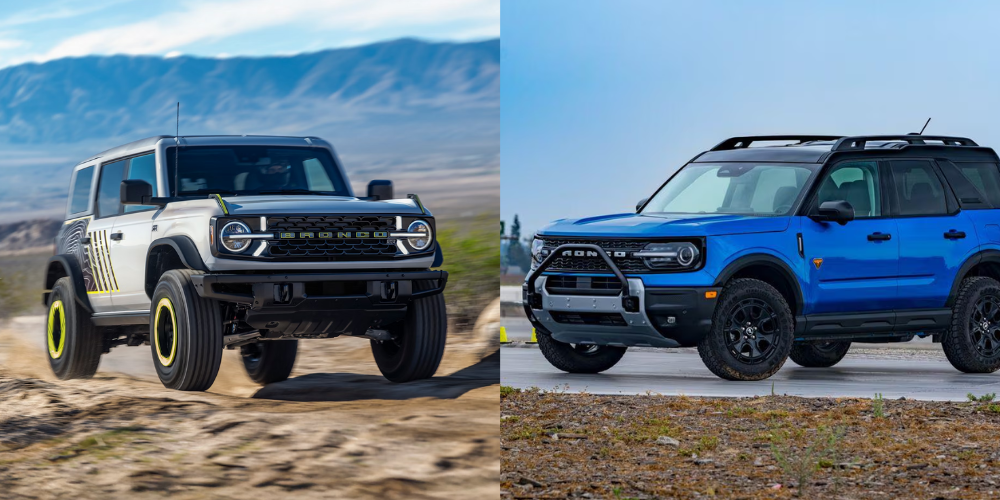
The Ford Bronco and Ford Bronco Sport share a recognizable name, rugged styling, and an adventure-ready attitude. However, they are designed for different types of drivers.
The Bronco is a larger, more specialized off-road SUV built for demanding trails and open-air driving. The Bronco Sport is a compact SUV that combines outdoor capability with the comfort, efficiency, and maneuverability many drivers need during the week.
Choosing between them depends on where you drive, how much space you need, and how serious you are about off-road travel. Comparing their size, capability, comfort, fuel economy, and everyday usability can help you find the better fit.
Ford Bronco vs. Bronco Sport: What Is the Main Difference?
The biggest difference is the way each SUV is built.
The Ford Bronco uses a truck-style, body-on-frame platform designed to handle difficult terrain. It is available in two-door and four-door configurations and offers features such as removable doors, removable roof panels, advanced four-wheel-drive systems, and specialized off-road equipment.
The Bronco Sport is a smaller, car-based compact SUV. It comes with four doors, seating for five, and standard four-wheel drive. While it is more capable away from pavement than many compact crossovers, it is primarily designed to remain comfortable and convenient during everyday driving. Ford equips every current Bronco Sport with four-wheel drive, while its available equipment and drive modes vary by trim.
In simple terms, the Bronco places trail capability first. The Bronco Sport creates a more even balance between outdoor recreation and daily transportation.
Size and Maneuverability
Size is an important consideration, especially for drivers who regularly travel through traffic, use parking garages, or park in crowded shopping areas.
The four-door Bronco is longer and wider than the Bronco Sport. For example, Ford lists the four-door Bronco Big Bend at 189.4 inches long, while the Bronco Sport is approximately 173 inches long, depending on its configuration.
That difference is noticeable from behind the wheel. The Bronco’s larger body gives it a commanding road presence and creates room for passengers, equipment, and available off-road hardware. However, its width and overall footprint may require additional attention in narrow parking spaces or tight urban streets.
The Bronco Sport feels more like a traditional compact SUV. It is easier to place within a lane, maneuver through a parking lot, and fit inside a garage. Drivers moving from a sedan or small crossover may also find the Bronco Sport easier to become comfortable with.
For commuting, errands, and city driving, the Bronco Sport has the advantage. Drivers who prefer a larger vehicle and do not mind its added size may appreciate the Bronco’s substantial feel.
Passenger Room and Cargo Space
Both models seat up to five people, although the Bronco’s passenger capacity depends on the selected two-door or four-door body style.
The four-door Bronco is generally the better Bronco configuration for families because it provides easier rear-seat access and more room for cargo than the two-door model. Its larger exterior dimensions can also be helpful when carrying camping gear, sports equipment, coolers, and other bulky items.
The Bronco Sport uses its compact dimensions efficiently. Its upright roofline helps create useful passenger and cargo space without making the SUV unnecessarily large. The rear seats can be folded when additional cargo room is needed, and available washable or rubberized cargo surfaces can make cleanup easier after hiking, camping, or traveling with pets.
The Bronco offers more of the spacious, rugged experience associated with a traditional adventure vehicle. The Bronco Sport offers practical storage in a package that remains easy to use every day.
Off-Road Capability
Drivers interested in serious off-road travel should give the Bronco close consideration.
The Bronco is engineered for challenging trails, steep climbs, deep ruts, rocks, mud, and loose surfaces. Available equipment includes advanced four-wheel-drive systems, electronic locking differentials, trail-focused suspension systems, protective hardware, large all-terrain tires, and the available Sasquatch Package.
Its body-on-frame construction also supports the durability and wheel articulation drivers may need on demanding terrain. Multiple trim levels allow shoppers to choose anything from an approachable adventure vehicle to a highly specialized off-road machine.
The Bronco Sport remains capable, but its strengths are different. Standard four-wheel drive and selectable drive modes help it handle snow, rain, gravel roads, dirt trails, and changing surface conditions. Off-road-focused versions such as the Bronco Sport Badlands add stronger performance and specialized equipment for buyers who plan to travel farther beyond paved roads.
Still, the Bronco Sport is not intended to match the full-size Bronco in extreme terrain. It is better suited to trailheads, campsites, unpaved access roads, winter conditions, and light-to-moderate recreational driving.
Choose the Bronco when off-road performance is one of your highest priorities. Choose the Bronco Sport when you want added confidence away from pavement without owning a highly specialized trail vehicle.
Comfort and Driving Experience
The Bronco’s rugged engineering affects the way it drives. Its upright shape, substantial tires, off-road suspension, and removable body components create a more mechanical, adventure-oriented experience. Many Bronco owners consider that character part of its appeal.
On the highway, the Bronco can still be comfortable, particularly in well-equipped four-door trims. However, shoppers should expect it to feel more like a purpose-built off-roader than a conventional crossover.
The Bronco Sport is usually quieter, lighter, and easier to drive in ordinary conditions. Its compact dimensions and crossover construction help it feel composed on pavement. It is well suited to stop-and-go traffic, school drop-offs, highway trips, and routine errands.
Interior technology also supports its daily-driver role. The 2026 Bronco Sport features a standard 13.2-inch center display and seating for up to five.
Drivers who value refinement and simplicity will generally prefer the Bronco Sport. Those who want a more rugged driving personality may find the Bronco more rewarding.
Fuel Economy
Fuel economy is another area where the Bronco Sport usually has an advantage.
Its smaller body and more compact engines allow it to use less fuel than the larger Bronco in comparable driving conditions. The 2026 Bronco Sport Big Bend with its 1.5-liter EcoBoost engine is rated at an EPA-estimated 25 mpg city, 30 mpg highway, and 27 mpg combined. Actual mileage varies according to driving conditions, maintenance, equipment, and driving habits.
Bronco fuel economy varies by engine, transmission, body style, trim, tires, and off-road equipment. Larger tires and more powerful engine options can increase capability but may also increase fuel consumption.
For drivers covering a high number of commuting miles, the Bronco Sport’s efficiency can make a meaningful difference. Shoppers who choose the Bronco are more likely to accept higher fuel use in exchange for greater power, capability, and customization.
Open-Air Driving and Customization
Few features separate these SUVs as clearly as the Bronco’s open-air design.
Depending on its configuration, the Bronco allows owners to remove roof sections and doors. That gives it a distinctive experience during warm-weather drives and outdoor adventures. Its broad selection of factory options and accessories also gives drivers many ways to personalize its appearance and capability.
The Bronco Sport has a fixed roof and conventional doors. It still offers rugged design details and useful accessories, but it does not provide the same open-air experience.
For some buyers, removable body panels are a major reason to select the Bronco. For others, a fixed roof, easier entry, and simpler daily operation make the Bronco Sport more practical.
Which Ford SUV Is Better for Families?
The answer depends on the family’s routine.
The Bronco Sport is often the more balanced choice for families that need a vehicle for school runs, grocery trips, sports practices, road trips, and winter weather. Its four-door layout, manageable size, and stronger fuel economy make it easy to use throughout the week.
A four-door Bronco can also serve as a family vehicle, particularly for households that camp, explore trails, tow recreational equipment, or spend considerable time outdoors. Families should consider whether they will regularly use its added capability enough to justify its larger dimensions and fuel needs.
Parents may also want to test rear-seat access, car-seat installation, cargo loading height, and visibility in both vehicles before deciding.
Which One Should You Choose?
Choose the Ford Bronco when you want:
- More serious off-road capability
- A choice between two-door and four-door configurations
- Removable doors and roof panels
- A larger and more commanding SUV
- Extensive off-road equipment and customization
- A vehicle centered on weekend recreation
Choose the Ford Bronco Sport when you want:
- Easier parking and maneuverability
- Better fuel economy
- Comfortable everyday road manners
- Standard four-wheel drive in a compact package
- Practical space for passengers and cargo
- Enough capability for bad weather, dirt roads, and outdoor trips
For most drivers whose schedules center on commuting, errands, school transportation, and occasional weekend travel, the Bronco Sport will be the more convenient choice. Drivers who regularly seek difficult terrain or want a distinctive open-air SUV will likely be happier with the Bronco.
Compare the Bronco and Bronco Sport at Boswell Elliff Ford
Specifications provide a useful starting point, but the differences between these SUVs become much clearer during a test drive. Sitting in each model can help you compare visibility, ride comfort, passenger space, cargo access, technology, and maneuverability.
Visit Boswell Elliff Ford to explore available Ford Bronco and Bronco Sport models. The dealership team can help you compare trim levels, engine options, available packages, and features based on the way you plan to use your next SUV.
The Bronco is the stronger choice for a rugged, trail-focused lifestyle. The Bronco Sport is the more practical fit for drivers who want Bronco-inspired style and useful all-weather capability in an easy-to-manage daily vehicle.
The automotive trade-in market has witnessed a dramatic shift in recent years. Due to wholesale volatility, the values dropped about 11% in late 2023 and continued going downward in 2024.
However, trade-ins still sit well above pre-pandemic levels. This makes it a prime moment for sellers who know how to play their cards right. For Ford owners, especially, there’s an opportunity. Models like the F-150 consistently command strong resale performance thanks to their steady demand.
Maximizing your trade-in value at a San Benito car dealership is about preparation, timing, and smart negotiation. Move further in the blog to learn how to do so in detail.
What Ford Dealerships Look For During Appraisals?
A San Benito car dealership assesses multiple factors during trade-in options:
Vehicle Condition and Maintenance History
Dealerships conduct comprehensive inspections, examining exterior conditions, interior wear, mechanical systems, and overall maintenance. Well-maintained and documented used cars in San Benito can command significantly higher offers. This is because these records show responsible ownership and reduce dealer concerns about hidden problems.
Market Data and Pricing Tools
A San Benito car dealership uses sophisticated valuation tools to establish baseline values. These systems analyze recent sales of comparable vehicles in your specific geographic area and ensure offers reflect current market conditions.
Mileage and Age Considerations
Lower-mileage used cars in San Benito typically receive better offers. However, the relationships are not always linear. Ford vehicles with consistent maintenance records can maintain strong trade-in values even with higher mileage.
Documentation and History
Clean title, accident-free history, and complete service records significantly impact valuations. Vehicles with detailed maintenance documentation can receive offers 10-15% higher than those without proper records.
Strategic Preparation to Maximize Value
Before visiting a car dealership in San Benito, gather multiple value estimates. This way, you will acquire negotiating leverage and identify unreasonable low offers. Keep track of professional detailing and minor repairs, like scratches, dents, or worn tires, before appraisal. These small investments often generate substantial returns in trade-in offers.
Make sure to compile all service records, warranties, spare keys, and original documentation. Complete paperwork demonstrates meticulous ownership and can increase offers by several hundred dollars.
Market seasonality also affects trade-in values. Spring and early summer usually offer the highest trade-in values, as dealerships stock inventory for peak selling seasons. Furthermore, tax refund season in early spring often creates increased demand, which boosts trade-in offers.
How Trade-Ins Affect New Car Pricing?
According to research, buyers who trade in vehicles pay an average of $990 more for their new car compared to those who don’t. This premium occurs because dealers can adjust both trade-in allowance and new car prices to maintain profit margins.
- Over-Under Allowance System
A car dealership in San Benito often uses “over-under” allowance, which offers more for your trade-in while increasing the new vehicle price. This practice helps you focus on the total transaction value rather than individual components.
- Tax Advantages
Trade-ins provide significant tax benefits, as you only pay sales tax on the difference between the new car price and trade-in value. This advantage can save hundreds or thousands of dollars and offset any potential premium in the transaction.
Advanced Negotiation Strategies
- Obtain Multiple Offers
Secure trade-in quotes from multiple dealerships before negotiating. This creates competitive pressure and provides leverage during discussions.
- Separate Trade-in from Purchase Negotiations
Negotiate your trade-in value for used cars in San Benito independently. This approach prevents dealers from manipulating both numbers simultaneously and ensures you understand the true value of each component.
- Consider Market Conditions
Current market conditions favor informed consumers, with 25% of recent trade-in customers receiving higher values than expected. Understanding local market dynamics and inventory needs gives you additional negotiating power.
- Use Ford’s Strong Resale Valued
Ford vehicles, particularly the F-150 and Mustang, maintain strong resale values. The F-150 has shown 14.2% year-over-year growth in sales, which indicates strong demand that supports trade-in values.
Bottom Line
Maximizing trade-in value at a San Benito car dealership requires preparation, market knowledge, and strategic negotiation. When you understand evaluation criteria, time your trade-in appropriately, and present a well-maintained, documented vehicle, you can significantly increase your trade-in offer.
If you are considering trading in used cars in San Benito, Boswell Eliff Ford can help you with it. Our team ensures you receive maximum value for your trade-in.
Why the Ford Maverick is Changing the Pickup Game?
The automation industry is undergoing a significant shift, and the Ford Maverick is at the forefront of this transformation. This compact pickup is redefining what consumers expect from a truck, even influencing the market for used cars for sale.
Since its introduction in 2022, its innovative hybrid technology, accessible pricing, and practical design have disrupted traditional pickup truck conventions.
In 2024, the Ford Maverick sold 118,368 trucks, a huge 28.83% increase from last year, which shows that pickup trucks do not have to be big to be popular.
Key Features Setting New Standards
Hybrid Innovation
The Ford Maverick has a groundbreaking 2.5-litre hybrid powertrain. This system combines a four-cylinder engine with an electric motor to deliver 191 horsepower and 155 lb-ft of torque. What truly sets the Maverick apart is its exceptional fuel economy. This makes it a compelling choice even among used cars for sale in San Benito.
It has an impressive 42 mpg in the city and 35 mpg on the highway with the hybrid front-wheel-drive configuration. For 2025, Ford has improved the hybrid system by introducing an all-wheel-drive hybrid option. This maintains remarkable efficiency at 40 mpg city and 34 mpg highway.
Capabilities Without Compromise
Despite its compact size, the Maverick does not sacrifice utility. The truck offers a 1,500-pound payload capacity. When equipped with the available tow package, it can tow up to 4,000 pounds. These numbers place it squarely in the sweet spot for consumers looking for used cars for sale with decent size and fuel consumption of full-size pickups.
The optional 2.0-liter EcoBoost engine provides additional power for those requiring more performance. It delivers 250 horsepower and 277 lb-ft of torque while still maintaining a respectable fuel economy of 23 mpg city and 30 mpg highway.
Market Impact and Consumer Trend Shifts
The Ford Maverick has fundamentally challenged the “bigger is better” mentality that has dominated the pickup truck market in San Benito for decades. Industry analysts state that almost 60% of Maverick buy the decente new to Ford. This indicates that the truck’s success in attracting customers from segments, like sedans and crossovers.
Once considered dormant, this compact truck has experienced remarkable growth with the Maverick as its catalyst. In Q2 2025 alone, Maverick achieved record sales of 48,041 units.
Furthermore, it has been revealed that Maverick is attracting a more diverse customer base than traditional pickup trucks. While the overall truck market is approximately 90% male, about 25% of Maverick buyers are female.
Sustainability at the Forefront
With a green score of 55 out of 100 from the American Council for an Energy-Efficient Economy, the Ford Maverick has earned recognition as “the greenest truck you can buy.” This achievement fundamentally challenges the stereotype of pickup trucks as gas-guzzling and environmentally unfriendly vehicles.
Its regenerative braking technology captures energy during deceleration and convert it back to electricity, which recharges the battery. This way, it maximizes energy efficiency and reduces overall fuel consumption.
The CO2 emissions of the Maverick is just 3.8 tons annually. This provides consumers a way to reduce their carbon footprint while maintaining the versatility and capability they need for work and recreation. In short, it is a competitive vehicles in San Benito markets where buyers explore both new and used cars for sale.
Affordability Revolution
Another of the Maverick’s most compelling advantages is its pricing strategy. It starts at $28,580 for the base XL trim and $31,090 for the well-equipped model, the XLT trim. This pricing approach is another of the many significant departures from the industry trends of increasingly expensive pickup trucks. Where the average F-150 sells for around $50,000 and Rangers typically command $40,000, the Maverick provides genuine truck capability at a fraction of the cost.
The Maverick’s hybrid powertrain delivers exceptional value beyond the initial purchase price. With fuel costs averaging $97 per month for typical driving patterns, owners can expect significant savings at the pump. The truck’s 579.6-mile city range and 483-mile highway range from its 13.8-gallon fuel tank maximize convenience and minimize fuel stops. Therefore, it is an appealing option for budget-conscious buyers in San Benito who might also be considering used cars for sale.
Experience the Maverick Difference
The Ford Maverick is a paradigm shift towards smarter and more sustainable truck ownership. From urban professionals seeking their first truck to a family looking for efficient versatility, the Maverick delivers.
Ready to join the pickup revolution? Visit Boswell Elliff Ford in San Benito today. Our knowledgeable team can help you explore its innovative features, exceptional fuel economy, and affordable pricing. We also offer an extensive selection of used cars for sale to meet every budget and preference.
Everyone loves a deal, until it backfires at the service bay. Aftermarket parts might seem like a smart way to save money, especially when you are trying to keep your vehicle running on a budget. But cheaper is not always better.
Aftermarket parts are made by companies other than your vehicle’s original manufacturer. While they may cost less up front, they can lead to more repairs, poor performance, and even safety issues later on.
Whether you are maintaining a new ride or exploring used cars for sale, it is essential to understand how your part choices affect your long-term costs. In this blog, we will break down the real price of aftermarket parts and why they might be costing you more than you think.
OEM vs. Aftermarket: What’s the Difference?
When it comes to fixing your car, not all parts are created equal. OEM (Original Equipment Manufacturer) parts are made by the same company that built your vehicle. They are designed to fit your specific make and model perfectly. These parts are known for their high quality, reliable performance, and they usually come with a warranty.
On the other hand, aftermarket parts are made by third-party companies. They are cheaper and easier to find, but often vary in design, quality, and fit. As a result, you can experience more motor repairs or damage to your vehicle down the road. They also do not come with strong warranty support.
In San Benito, where drivers are always looking for smart ways to maintain their used cars for sale, it is essential to know what you are getting under the hood.
Hidden Costs of Aftermarket Parts
Behind the lower price tag of aftermarket parts, there are hidden costs that can end up hurting your wallet, as well as used cars for sale in San Benito.
- Quality and Reliability
Aftermarket parts are often made with cheaper materials and do not go through the same testing as OEM parts. They may not fit your vehicle properly, which can lead to more repairs or even damage to other parts. These parts wear out fast, too. This means you will have to replace them more often.
- Installation and Labor Costs
Because these parts may not fit just right, mechanics might need more time to make them work. That means extra labor costs. And if the part fails or does not work, it leads to another trip to the repair shop.
- Warranty Issue
If your vehicle is still under warranty, using aftermarket parts could void your coverage. Therefore, if something goes wrong, you might be stuck paying for repairs yourself.
How Do Aftermarket Parts Affect Vehicle Resale?
Aftermarket parts can either help or hurt your vehicle’s resale value. It really depends on the type of part, how well it was installed, and what buyers think of it. In most cases, aftermarket parts lower a car’s value, especially if they are cheap or poorly installed.
Buyers looking for used cars for sale in San Benito often want reliability. If they see custom wheels, loud exhausts, or engine modifications, they might worry about how the car was driven or maintained. Mods that are hard to reverse can also scare buyers off, since they will have to spend more money to change things back.
Even performance upgrades can be a turnoff if they only appeal to a small group of car lovers. The more specific the customization, the smaller your pool of interested buyers. If resale value matters to you, sticking with OEM parts is usually the safer choice.
When Are Aftermarket Parts Okay?
Not all aftermarket parts are bad. In some cases, they can be a smart choice. For example, using aftermarket parts for non-critical items like floor mats, wiper blades, or light bulbs is usually fine. These parts do not affect how your car runs and can save you some money.
Also, some aftermarket brands are known for good quality. If you stick with trusted names, you can avoid many common issues.
Lastly, if your car is older or out of warranty, like many used cars for sale, aftermarket parts might make more sense budget-wise without major risks.
Conclusion
Cheaper is not always smarter when it comes to car parts. While saving now may seem like a win, long-term costs tied to safety, repairs, and resale value can add up fast. Whether you are driving a new car or used cars for sale in San Benito, trust Boswell Elliff Ford’s service center for reliable maintenance with genuine OEM parts.
Electric and Hybrid Used Cars: Are They Worth It?
Are you thinking of going green without going broke?
As electric and hybrid vehicles become increasingly popular, more people are considering pre-owned models to save money and help the environment. But are these used cars for sale really a smart buy?
Let’s find out.
Understanding the Basics
Before choosing a green car, it is essential to understand the difference between the two. Hybrids use both a gas engine and an electric motor. They do not need to be plugged in and are ideal for people who want better gas mileage without changing how they drive.
Electric cars, on the other hand, run only on electricity and need to be charged. They cost less to run and are better for the environment. But you need a place to charge them.
If you are shopping for used cars for sale in San Benito, you should know these basics. Moreover, consider your driving habits and charging access before deciding which one works best for you.
Pros of Buying Electric & Hybrid Used Cars
There are several good reasons to choose a used electric or hybrid car.
- Saves Money: New electric or hybrid vehicles can be expensive. But used cars for sale usually cost much less. This means you can enjoy the same benefits without the high price tag.
- Great on Fuel: Hybrids use both gas and electricity, which means fewer trips to the gas station. Electric cars do not use gas at all, so you only pay for charging, which is often cheaper than fuel.
- Better for the Planet: When you choose a pre-owned hybrid or EV, you help reduce waste and pollution by giving a second life to a car that is already made.
- Modern Features: Many used hybrid and electric cars come with features, like regenerative braking (which helps save energy), smart safety tools, and touchscreen systems that make driving easier and more fun.
Cons & Risks to Consider
Although electric and hybrid cars have a lot of benefits, they also come with a few downsides you should know about before buying one.
- Battery Health: Over time, batteries in these cars can wear out. Therefore, the car may not drive as far on a single charge or may not perform as well. Replacing the battery can also be expensive.
- Charging: Do you have a place to charge at home or close by in San Benito? If not, owning an electric car could be hard, especially if charging stations are limited.
- Have Shorter Range: If you travel long distances often or live in rural parts, a hybrid may work better.
- Costly: Although maintaining these cars is usually low, fixing them costs more. Some used hybrids and EVs still cost more upfront than regular gas cars.
Cost Comparison & ROI
When looking at used cars for sale in San Benito, it is smart to think about how much you will save over time with a hybrid or electric vehicle. Used EVs often have lower fuel and maintenance costs because they run on electricity and have fewer moving parts. Hybrids also save gas but may still need more repairs than EVs.
Used EVs usually cost less than new ones, and you might even find some with big discounts. Hybrids are also cheaper than new models but offer a good middle ground in terms of price and performance.
Keep in mind that EVs need charging stations, so check if you have access. If you drive long distances often, a hybrid may be better. Government incentives and your driving habits also affect your return on investment (ROI). Choose what fits your lifestyle best.
Are They Worth It?
So, are hybrid and electric used cars for sale really worth it? If you are looking to save on fuel, lower your carbon footprint, and still enjoy modern features, the answer is yes, as long as the car fits your lifestyle.
With proper care, battery checks, and maybe an extended warranty, a pre-owned hybrid or EV can be a smart way. Whether you are commuting in San Benito or just want a greener drive, it is worth exploring your options. Need help deciding? Stop by or contact Boswell Eliff today. We are here to steer you in the right direction.
Selling your car yourself will likely give you more money. But let’s be honest: that takes time, energy, and a lot of patience.
That’s why nearly half of all car buyers choose to trade in their vehicle instead. It is faster, easier, and helps reduce the cost of your next car, especially when you are eyeing reliable and premium used cars for sale.
So, how do you make sure you are getting the best possible trade-in value? Here are the smart and simple tips to help you maximize your car’s worth before handing over the keys.
What Impacts Your Trade-in Value?
Before trading in your car, it is essential to understand the factors that affect your car’s trade-in value. Dealerships do not just look at the make and model. They consider several key factors to decide your vehicle’s worth. Knowing these in advance can help you prepare and negotiate with confidence.
- Vehicle Condition: Cars in good mechanical shape with clean interiors and well-maintained exteriors get better offers. Keep service records and fix small issues when possible.
- Mileage and Age: Lower mileage and newer models typically mean higher value. However, consistent highway miles are better than heavy city use.
- Market Demand: What’s in demand matters. In San Benito, trucks and SUVs are more valuable due to local driving needs and preferences.
- Vehicle History: A clean accident history and regular maintenance records increase trust and value.
- Trim and Features: Higher trim levels, tech upgrades, and safety features can boost your trade-in offer significantly.
Prep Your Car Like a Pro
Preparing your car like a pro can significantly boost its trade-in value and make it stand out among other used cars for sale. A well-prepped vehicle impresses dealerships and signals that it is been cared for. This way, you can secure a better deal.
Follow a few key steps to ensure your car is in top shape before trading it in.
- Clean Thoroughly: Wash the exterior, wax the paint, and vacuum the interior to make your car shine. A spotless vehicle creates a great first impression.
- Fix Small Issues: Repair minor scratches, dents, or broken lights. These small fixes can increase your car’s appeal and value.
- Organize Maintenance Records: Collect receipts and records of repairs to show the dealerships your car’s upkeep history. This builds trust and supports a higher offer.
- Check for Recalls: Visit the official website to address any recalls. Fixing these issues improves safety and boosts trade-in value.
Research Before You Walk In
Knowing your car’s value before visiting a dealership in San Benito is essential to getting a great trade-in deal. Researching ahead empowers you to negotiate confidently and avoid low offers. Here’s how you can do it:
- Use Online Tools: Check sites to estimate your car’s trade-in value based on its make, model, and condition.
- Study Local Trends: In San Benito, demand for certain cars, like SUVs, may spike seasonally. This affects the car’s trade-in value.
- Get Multiple Quotes: Contact different dealerships for trade-in offers to compare and negotiate better.
- Know Your Car’s Status: If your car is financed or leased, check loan balances or lease terms to understand their impact.
What to Expect During the Appraisal Process
When trading in your car, you can expect the following during its appraisal process:
- Visual Check: The appraiser will inspect the interior, engine, and exterior for damage, wear, or modifications.
- Test Drive: They drive your car to evaluate performance, brakes, and handling on various roads.
- History Review: A report like Carfax is checked for accidents and maintenance records.
- Value Calculations: Your car’s make, model, mileage, condition, and market demand determine its value.
- Offer Presentation: You will receive an offer, which you can accept, negotiate, or decline.
Boost Your Offer with Timing & Strategy
Timing your car trade-in wisely can boost its value, especially in San Benito’s active market. Picking the right moment and using smart strategies can get you the best deal for your used or pre-owned car. Here’s how to plan effectively.
- Know Seasonal Demand: Trade in during spring or summer when San Benito dealerships stock up due to high buyer interest. Winter is ideal for four-wheel-drive vehicles, as demand spikes.
- Track Market Trends: Monitor the used cars market changes. If trade-in values are dropping, act quickly to avoid losing value.
- Check Financing Details: For financed cars, know your loan balance. If it is higher than your car’s value, wait until the gap shrinks. For leased cars, review terms to avoid penalties.
- Prepare to Negotiate: Gather offers from multiple San Benito dealerships. Use these to negotiate a fair trade-in price confidently.
Final Takeaway
When it comes to trading in your car, cutting corners on research or timing is a rookie mistake. However, settling for a lowball offer is even worse. The right dealership does not just take your keys; it earns your trust.
At Boswell Elliff Ford, a San Benito-based car dealership company, we believe in straightforward deals that respect your time and your vehicle’s value.
Can a Midsize Truck Handle Your Towing Needs?
Thinking about buying a truck but not sure if a midsize one can handle your towing needs? You are not alone.
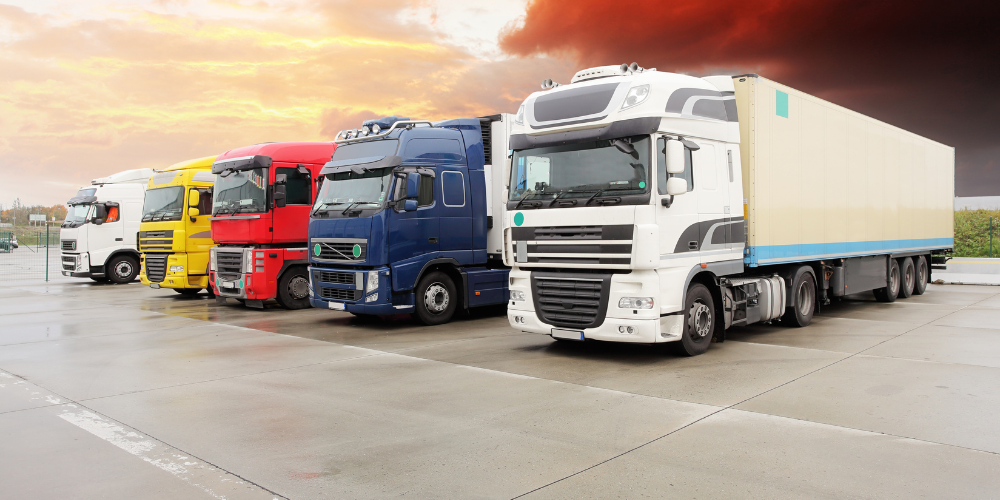
Several buyers at San Benito car dealership wonder if these smaller, more affordable trucks for sale are truly capable when it comes to hauling boats, campers, or gear. The truth is, midsize trucks offer more towing power than most people realize.
Whether you are browsing online or visiting your local San Benito car dealership, it is important to know what these trucks can do. In this blog, we will help you figure out if a midsize truck fits your lifestyle and your towing expectations.
What is a Midsize Truck?
Midsize trucks are the smallest pickup truck class available at any San Benito car dealership US. It is called “midsize” because no one really wants to shop for a “compact” truck. These trucks have smaller engines than full-size models and less towing power. Popular midsize trucks for sale include the Toyota Tacoma, Chevrolet Colorado, Ford Ranger, and more. These trucks appeal to buyers looking for versatility and value. They are easier on fuel, more affordable, and practical for daily use.
What Can Midsize Trucks Realistically Tow?
Midsize trucks offer solid towing strength for most recreational and light-duty needs. Models like the Hyundai Santa Cruz can tow up to 5,000 lbs, while the Ford Maverick reaches 4,000 lbs. That’s enough for items like:
- Personal Watercraft (900 – 2,500 lbs)
- Snowmobiles (1,150 – 3,500 lbs)
- Fishing Boats (up to 3,500 lbs)
- Small Trailers (3,000 – 5,000 lbs)
With gas, diesel, and even hybrid engine options, trucks like the Toyota Tacoma, Chevrolet Colorado, and Ford Ranger come in trims for every lifestyle. Whether you need basic features or off-road power, your local San Benito car dealership likely has a midsize truck that fits your towing needs.
What Affects Towing Capability in a Midsize Truck?
Towing with midsize trucks for sale depends on several key factors. Knowing what affects its towing capability helps you choose the right model for your needs.
Here’s what really affects the towing capability of a midsize truck.
- Engine: More cylinders and larger displacement usually mean more towing power.
- Transmission Type: Automatic transmissions are smoother shifting and easier to use when towing.
- Suspension Strength: A strong suspension helps the truck stay balanced when carrying extra weight.
- Brakes: Good brakes are essential for safely stopping both the truck and trailer.
- Truck Frame and Balance: A solid frame and even weight distribution help keep things stable while towing.
- Axle Ratio: Trucks with a lower axle ratio have more pulling power.
- Payload Capacity: This is how much weight the truck can carry inside and in the bed, including part of the trailer’s weight.
When a Midsize Truck Makes Sense (and When It Doesn’t)
Midsize trucks are great for people who want a mix of utility and comfort. They are perfect for city driving, daily commuting, and weekend trips. If you need to tow a smaller trailer, carry furniture, or enjoy outdoor activities like camping, a midsize truck can handle it well. Families also find them practical thanks to better fuel efficiency and more comfortable seating than compact trucks.
However, if you often carry heavy loads, tow large trailers, or need extra space for passengers and gear, a full-size truck may be better. Midsize trucks have smaller beds and back seats, which can feel cramped on long trips or when carrying bulky items.
There’s a rule of thumb that if your trailer weighs under 6,000 pounds when fully loaded, a midsize truck will likely meet your needs.
To explore your options, check out available midsize trucks for sale at your local San Benito car dealership, Boswell Elliff Ford.
Thinking about buying a car but worried about financing? You are not alone.
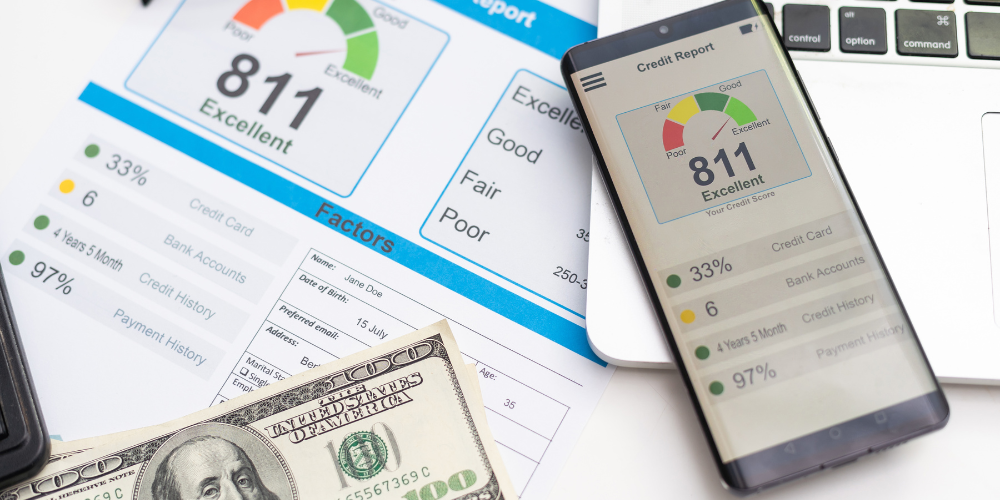
Your credit score plays a significant role in determining the type of loan you will get. Lenders use it to assess your creditworthiness, which impacts your interest rate, monthly payments, and overall loan approval chances.
A good credit score provides you with great deals, whereas a poor score can make you face high interest or rejection. No matter the vehicle you are looking for in San Benito’s car dealership, a credit score matters.
In this blog, we will break down how credit scores impact car loans and how you can improve yours before applying.
Understanding Credit Scores & Car Loans
What is a Credit Score?
A credit score is a three-digit number that tells lenders how responsible you are with money. FICO score is the most widely used credit score. It typically ranges from:
- 300-379 (Very Poor): Extremely high risk; difficult to get credit or loans.
- 380-499 (Poor): Still Considered high risk; securing credit or loans is challenging.
- 500-579 (Fair): May qualify for loans but with high interest rates or larger down payments.
- 580-669 (Good): Decent score, but some lenders may still see it as a moderate risk.
- 670-700 (Good): More favorable loan terms and better interest rates.
- 740-799 (Very Good): Low-risk category, leading to excellent loan offers.
- 800-850 (Exceptional): Excellent score; access to the best loan terms and lowest interest rates.
How Lenders Use Credit Scores for Car Loans?
When applying for a car loan, whether for a sedan or a truck for sale, your credit score plays a huge role. Lenders check it to decide your interest rate, loan amount, and down payment. They also consider your income, debt-to-income ratio, and the vehicle’s value before approving a loan. Borrowers with excellent credit get prime loans with the best rates, while those with lower scores may receive subprime loans with higher interest to offset the risk.
- Improve Your Credit Score Before Applying for a Car Loan
Before purchasing a truck for sale, here’s what you need to do to boost your credit score and increase your chances of getting the best deal:
- Check and Dispute Credit Report Errors
Get a free copy of your credit report before applying for a car loan. Carefully review it for errors and incorrect late payments, accounts that do not belong to you, or outdated negative marks. Even a single mistake could be dragging your score down.
If you find any issues, file a dispute online, by mail, or over the phone. The credit bureau will investigate, and if the mistake is removed, your score could improve quickly. This way, you will qualify for better loan terms.
- Pay Your Bills on Time
Your payment history makes up 35% of your credit score. Even one late payment can drop your score significantly and stay on your report for years.
Set up automatic payments or reminders to ensure you never miss a due date. If you have any past-due accounts, bring them current as soon as possible. Lenders want to see that you consistently manage your finances well before approving you for an auto loan.
- Lower Your Credit Card Balances
Your credit utilization ratio (how much of your credit limit you are using) is another major factor in your score. Ideally, you should use less than 30% of your available credit; the lower, the better.
If your balances are high, focus on paying down your debt before applying for a car loan. Even a small reduction can boost your score and show lenders that you are financially responsible. Plus, reducing your debt frees up more room in your budget for car payments.
- Avoid Applying for New Credit
Each time you apply for a new credit card or loan, a hard inquiry is added to your credit report. While one inquiry is not a big deal, multiple inquiries in a short time can lower your score and make lenders nervous.
If possible, hold off on applying for new credit for at least a few months before visiting a San Benito car dealership to get a car loan. Keeping your credit stable will ensure you qualify for the best possible interest rates.
- Final Preparations Before Applying for a Car Loan
Before heading to a San Benito car dealership, a little prep work can help you secure the best deal.
- Set Your Budget: Use a loan calculator to find a monthly payment that fits your income.
- Shop Around: Compare banks, credit unions, and online lenders to get the best interest rates.
- Gather Your Documents: Have your ID, proof of income, and address ready.
- Get Pre-approved: This locks in your rate and strengthens your negotiating power while purchasing a truck for sale.
Final Thoughts
Securing the best car loan requires careful planning and a strong credit profile. Your credit score directly impacts your loan terms, so improving it before applying can save you thousands in interest. Whether you are considering a car or a truck for sale, comparing lenders, reducing debt, and ensuring financial stability will give you the best chance at favorable financing.
If you are looking for reliable options, Boswell Elliff Ford offers competitive deals on cars and trucks. Taking the right steps today will ensure a smooth and cost-effective car-buying experience.
The Ultimate Guide to Used Ford Trucks
When brands like Chevy, Ram, Toyota, and Nissan offer impressive options, shopping for a truck becomes a daunting task. However, Ford trucks stand out for their durability, power, and versatility, which makes them a top choice for any task.
If you are looking for a Ford truck for sale, buying used is a smart and budget-friendly decision. You get excellent performance and advanced features at a lower prices. This guide will help you explore the benefits of buying used, the best Ford truck models, key factors to consider, and where to find the right truck to match your needs.
Why Choose a Used Ford Truck?
Ford has been a trusted name in the industry since 1903. It is known for building tough and reliable trucks that stand the test of time. Models like the F-150 and Super Duty are built for durability, which makes them excellent choices even when you think of buying a used one.
Choosing a truck for sale from Ford helps you save money while still enjoying top-notch features. Used Ford trucks also hold their value well and offer great resale potential. Plus, with Certified Pre-Owned (CPO) options, you get added reliability and peace of mind. Whether for work or adventure, a used Ford truck is a smart investment.
Best Used Ford Truck Models to Consider
Ford offers various trucks to fit every need, whether you need power for tough jobs or efficiency for daily drives. If you are looking for a Ford truck for sale, here are some top models to consider:
- Ford F-150: America’s best-selling truck, the F-150 is a versatile full-size pickup. Models from 2021 offer hybrid powertrains, an onboard generator, and premium interiors.
- Ford Ranger: A midsize truck with great towing power and easy handling. The 2022 model stands out with the Splash package, which features bold styling and upgraded wheels.
- Ford Super Duty: Built for heavy-duty work, the 2020 Super Duty models boast record-breaking tow ratings and a rugged design, perfect for demanding tasks.
- Ford Maverick: A compact, fuel-efficient truck with a hybrid powertrain. The 2022 model provides modern features, city-friendly size, and great versatility.
Key Factors to Check Before Buying a Used Ford Truck
When searching for a used truck for sale, several key factors can help you make the best choice.
- Age: A truck that is too old may require frequent repairs, while a newer model may be expensive. Finding a balance between age and reliability is essential.
- Condition: Inspect the truck’s overall condition, including its engine, transmission, and body. A well-maintained truck will save you money in the long run.
- Mileage: Lower mileage means less wear and tear. High-mileage trucks may have more maintenance costs, so it is best to find one with moderate mileage.
- Price: Compare prices based on the truck’s condition, features, and market value. Ensure you are paying a fair price for the model you choose.
- Features: Consider factors like engine type, cab size, bed length, and fuel type. Choose a truck that fits your needs, whether for work or personal use.
Conclusion
Buying a used Ford truck comes with many benefits, including affordability, reliability, and numerous features to suit your needs. When you consider key factors like age, condition, and price, you find the perfect Ford truck for sale without overspending.
For a hassle-free and trusted buying experience, visit Boswell Eliff Ford. They offer quality trucks with expert guidance to help you make the right choice. Stop by today and drive home your ideal Ford truck!