

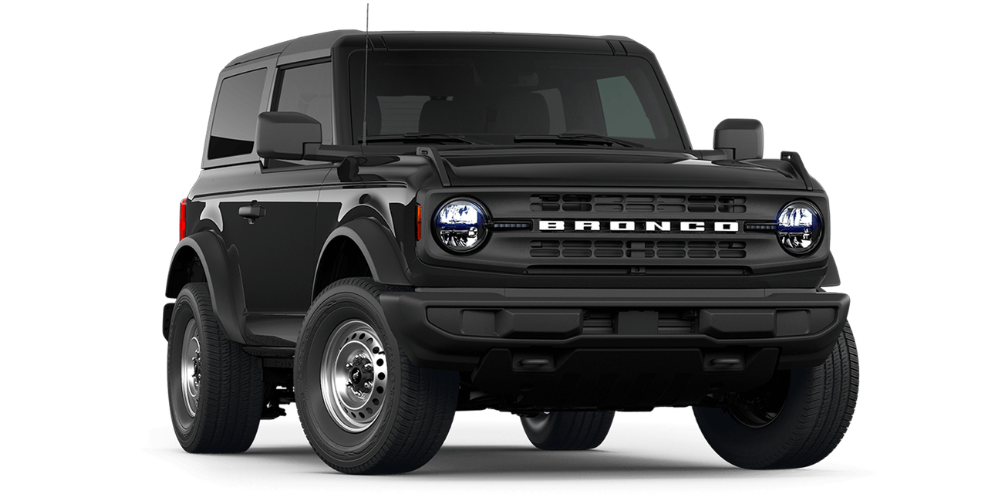
The Ford Bronco is designed for drivers who carry more than groceries and work bags. Its rugged construction, available four-wheel-drive technology, and flexible cargo area make it a strong companion for camping trips, cycling weekends, lake visits, and off-road travel.
Still, owning an adventure-ready SUV does not mean every trailer or piece of equipment can be loaded without careful planning. Towing capacity, payload, tongue weight, passenger weight, and cargo dimensions all affect what a Bronco can safely handle.
Before attaching a camper, loading several bikes, or packing for a family trip, owners should understand how these limits work together.
How Much Can a Ford Bronco Tow?
Most 2026 Ford Bronco models have a maximum conventional towing capacity of 3,500 pounds when properly equipped. The high-performance Bronco Raptor increases the maximum to 4,500 pounds. Ford also lists maximum tongue-load figures of 350 pounds for the standard Bronco and 450 pounds for the Bronco Raptor.
These ratings can make the Bronco suitable for equipment such as:
- Small utility trailers
- Lightweight pop-up campers
- Personal watercraft trailers
- Small fishing boats
- Motorcycle or ATV trailers
- Dedicated bicycle trailers
However, a maximum towing rating is not a guarantee that every trailer below that number is appropriate. The vehicle’s engine, axle ratio, optional equipment, tire configuration, cargo load, and number of passengers can affect its actual capability.
The safest approach is to check the specific Bronco’s certification labels, owner’s manual, towing guide, and installed equipment rather than relying only on a general model rating.
Understand Loaded Trailer Weight
Trailer manufacturers often advertise dry weight or unloaded vehicle weight. That figure does not include everything added before a trip.
A camper that weighs 2,700 pounds when empty may become considerably heavier after adding water, propane, food, bedding, cookware, batteries, bicycles, and other supplies. A utility trailer also gains weight once it is loaded with an ATV, coolers, fuel containers, tools, or camping equipment.
Owners should compare the Bronco’s towing limit with the trailer’s fully loaded weight, not its empty weight.
When possible, use a public vehicle scale to confirm the weight of the loaded vehicle and trailer. Estimating each item can be helpful during planning, but a certified scale provides a clearer picture before a long trip.
It is also wise to leave a reasonable safety margin instead of planning a load that reaches the maximum rating exactly. Hills, high temperatures, strong winds, rough roads, and sudden braking can place additional demands on the Bronco.
Tongue Weight Matters
Tongue weight is the downward force the trailer places on the hitch. It plays an important role in trailer stability.
Ford’s 2026 towing information lists a maximum tongue load of 350 pounds for most Bronco models and 450 pounds for the Bronco Raptor. For conventional trailers over 2,000 pounds, Ford generally advises that tongue load equal approximately 10% of the loaded trailer weight.
For example, a loaded 3,000-pound trailer may place about 300 pounds on the hitch. That weight counts against the Bronco’s available payload.
Too little tongue weight can cause a trailer to sway. Too much can overload the rear axle, reduce steering control, change braking performance, and exceed the vehicle’s payload limit. Cargo should be distributed carefully inside the trailer, with heavier items placed low and secured against movement.
Owners should never try to reduce tongue weight by placing most of the trailer’s cargo behind its axle. That can create an unstable setup even when the total trailer weight remains below the maximum rating.
Towing Capacity and Payload Are Different
Towing capacity describes how much loaded trailer weight the Bronco can pull. Payload describes how much weight the vehicle itself can carry.
Payload includes:
- The driver and passengers
- Cargo inside the cabin
- Equipment in the rear cargo area
- Roof-mounted accessories and gear
- Aftermarket accessories
- Trailer tongue weight
This means passengers and cargo can reduce the amount of capacity available for supporting a trailer.
Consider a Bronco carrying four adults, a large cooler, recovery equipment, luggage, and a roof rack. Once the trailer’s tongue weight is added, the SUV could approach its payload limit even though the trailer itself remains below 3,500 pounds.
The payload rating for an individual Bronco can be found on the Tire and Loading Information label inside the driver’s door area. Because trims and options affect vehicle weight, shoppers should check the label on the exact Bronco they plan to purchase or drive.
Choosing the Right Towing Equipment
A proper towing setup involves more than installing a hitch ball.
The hitch receiver, ball mount, hitch ball, safety chains, electrical connector, and trailer wiring must all be rated for the intended load. The hitch ball must also match the size required by the trailer coupler.
Trailers over a certain weight may need their own braking system. Ford’s Bronco towing guide includes additional requirements and considerations for trailers weighing more than 2,000 pounds. Owners must also follow state laws concerning trailer brakes, lighting, registration, mirrors, and safety equipment.
Before leaving, confirm that:
- The coupler is fully secured
- The safety chains cross beneath the trailer tongue
- The electrical connection works
- Brake lights and turn signals operate correctly
- Tires are properly inflated
- Cargo cannot shift
- The trailer jack is fully raised
- The breakaway cable is attached correctly when required
Drivers who are new to towing should practice turning, reversing, and braking in a quiet open area before entering traffic.
Ford Bronco Cargo Space
The four-door Bronco is usually the better choice for shoppers who regularly carry substantial adventure equipment. Depending on roof configuration, it provides roughly 35.6 cubic feet of cargo space behind the rear seats and up to approximately 77.6 cubic feet with the rear seating area folded.
Soft-top and hardtop configurations can have slightly different cargo measurements. The two-door Bronco provides less room because of its shorter body, although folding the rear seats can still create space for carefully organized equipment.
Cubic-foot measurements are useful for comparison, but they do not tell the entire story. The height and width of the cargo opening, interior wheel wells, seat-folding arrangement, and shape of the equipment also matter.
Before purchasing storage bins, coolers, or other large items, measure:
- Cargo-floor length
- Width between the wheel wells
- Rear opening width
- Opening height
- Available height below the roof
- Space remaining when passengers use the rear seats
A long bicycle, for example, may not fit simply because the listed cargo volume appears sufficient. Removing the front wheel, lowering the seat, or using an exterior rack may be necessary.
Carrying Bikes with a Bronco
Cyclists have several ways to transport bikes with a Ford Bronco.
A hitch-mounted bike rack is often the most convenient solution. It can keep muddy bikes outside the cabin and may be easier to load than a roof rack. Owners should include the combined weight of the rack and bikes when calculating hitch load and payload.
A swing-away rack can improve access to the Bronco’s rear cargo area, but compatibility with the spare tire and rear door must be checked carefully. Some racks may interfere with the tailgate, backup camera, or parking sensors.
Roof-mounted bike carriers keep the hitch available for a trailer, but lifting bikes onto a tall Bronco may be difficult. Roof equipment also affects total vehicle height, wind resistance, and available roof-load capacity.
Carrying bikes inside the Bronco protects them from weather and road debris. However, owners should secure them so they cannot move during sudden stops. Removing wheels and using protective cargo liners can make interior transport easier.
Packing Camping and Outdoor Equipment
Camping equipment can add weight quickly. A tent, sleeping bags, camp chairs, stove, food, water, recovery equipment, and several storage bins may seem light individually, but the combined load can be substantial.
Place heavier items low and close to the center of the vehicle. This helps preserve handling and reduces the chance of cargo becoming dangerous during a sharp turn or emergency stop.
Items such as coolers, toolboxes, and portable power stations should be secured with straps or cargo restraints. Loose objects can become projectiles during a collision.
Frequently used items should remain accessible. Rain gear, first-aid supplies, flashlights, recovery straps, and tire equipment should not be buried underneath the entire load.
Owners should also keep rear visibility in mind. Packing equipment to the roof may block the rear window and make it harder to monitor traffic or a trailer.
Using a Roof Rack or Cargo Carrier
A roof rack can free interior space for passengers, but the added load must remain within Ford’s limits for the specific roof and rack configuration.
Roof capacity can vary depending on whether the vehicle is parked or moving. Static capacity applies while the Bronco is stopped, such as when supporting an approved rooftop tent. Dynamic capacity applies while driving and is usually lower because the load affects handling.
Every part of the system must be rated for the intended weight, including the factory mounting points, crossbars, cargo basket, rooftop tent, and mounting hardware.
Roof-mounted cargo also raises the Bronco’s center of gravity. Drivers should take turns more slowly, allow more braking distance, and pay attention to clearance in garages, car washes, parking structures, and wooded trails.
Preparing the Bronco Before a Towing Trip
A basic inspection can prevent many roadside problems.
Check tire pressure on both the Bronco and trailer while the tires are cold. Inspect the tread and look for cuts, cracks, bulges, or uneven wear. Trailer tires can age even when the trailer is used infrequently.
Confirm that engine oil, coolant, brake fluid, and other vehicle fluids are at the proper levels. Test all trailer lights and verify that mirrors provide an adequate view alongside the trailer.
Loading should be completed before the final tire-pressure and hitch checks. The Bronco may sit differently once passengers, equipment, and tongue weight are added.
While driving, use moderate speeds and leave more space between the Bronco and the vehicle ahead. A loaded trailer requires greater stopping distance and can react strongly to crosswinds or passing trucks.
Is the Ford Bronco Right for Your Gear?
The Ford Bronco is well suited to light-to-moderate towing and a wide range of outdoor equipment. It can carry camping supplies, bikes, recovery gear, and luggage while towing many small campers, boats, and utility trailers.
The four-door model is typically the more practical choice for shoppers who need maximum interior cargo flexibility. The two-door Bronco may appeal more to drivers who prioritize compact trail dimensions and do not regularly carry several passengers or large amounts of gear.
Buyers with a heavy travel trailer, large boat, or tow-focused lifestyle may need a vehicle with a higher rating. The important step is to compare the Bronco’s specific towing and payload limits with the actual loaded weight of the trailer, passengers, accessories, and cargo.
Explore the Ford Bronco at Boswell Elliff Ford
A towing and cargo plan should begin before choosing a vehicle configuration. The team at Boswell Elliff Ford can help shoppers compare Bronco body styles, trims, engines, roof options, towing equipment, and cargo features.
Bring details about the trailer or equipment you plan to carry, including loaded trailer weight, tongue weight, bike-rack weight, and major cargo dimensions. That information can make it easier to identify a Bronco that fits the way you travel.
The Ford Bronco is a capable adventure SUV, but safe hauling depends on careful loading and respect for its limits. Checking trailer weight, payload, tongue weight, and cargo dimensions before every major trip helps ensure your equipment arrives as confidently as you do.
Connect with us

